
Like a delinquent wayward child who discovers the keys to the cavernous underground wine cellar, his parents do not notice when a few bottles go missing let alone a few cases. After a while the wine bottles are being replenished by the child. The small matter of culpability by only using water to refill them seems to have escaped the miscreant who ultimately loses track of whether the bottles contain wine or water and where he placed them. When his parents inevitably open one with water instead of wine, the secret is exposed. Instead of blaming the alcoholic delinquent teenager, the parents blame the purveyor, the transporter and even the vineyard & its vintner; anybody but the child. Even the second opinion of an expensive child psychologist concurs with the parents’ viewpoint.
Of course in this case substitute the parents for the government, the child for its citizens, the suppliers for the ECB, the EU, the Germans, Angela Merkl and the IMF. In tow corroborating their story would be the likes of renowned economists such as Joseph Stiglitz.
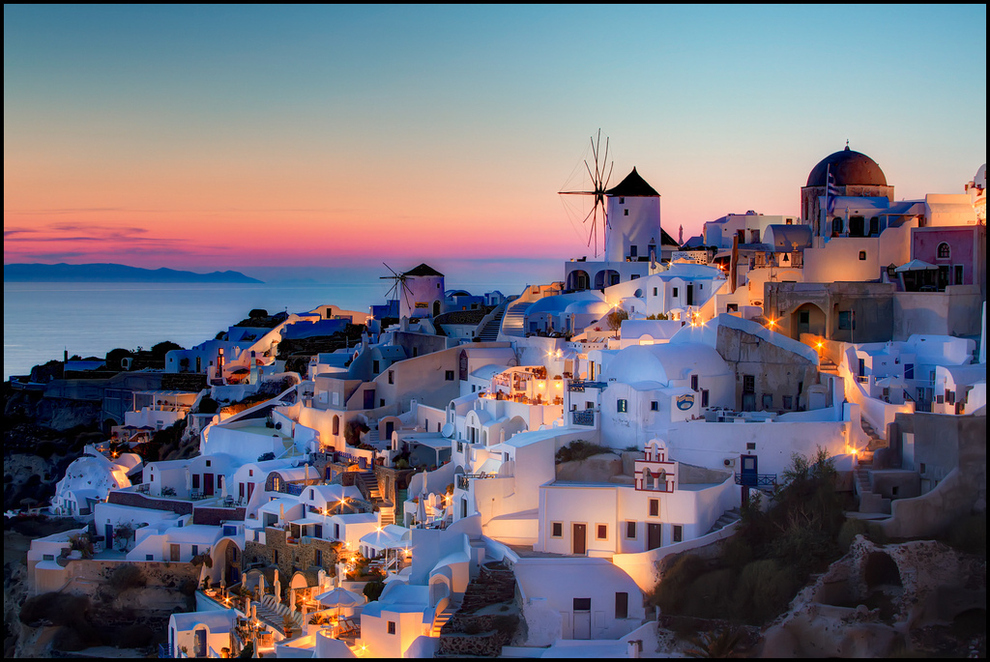
Main picture: Sunset in Oia, Santorini
Why is such a fanciful reconstruction of the train of events now besetting the left-wing Greek government under Prime Minister Alexis Tsipras being presented?
In summary Greece has been gorging on debt ever since it adopted the Euro and discarded the drachma. When the crisis broke in 2009, Greece, a land of only 11 million inhabitants possessed a national debt amounting to $1.2 trillion which is equivalent to a quarter of a million USD for each working adult.

The beach at Dodekanissos
Underpinning the concept of a common currency such as the Euro is the clear requirement that all the economies operate within certain agreed targets. If they do not do so, the distortions in economic effects will ultimately culminate in the undesirable consequences as the government of the errant economy is rent asunder.
In the case of any new currency member, one of the key metrics that have to be complied with was that relating to the Budget Deficit as a percentage of GDP. That was set at under 3.0%.
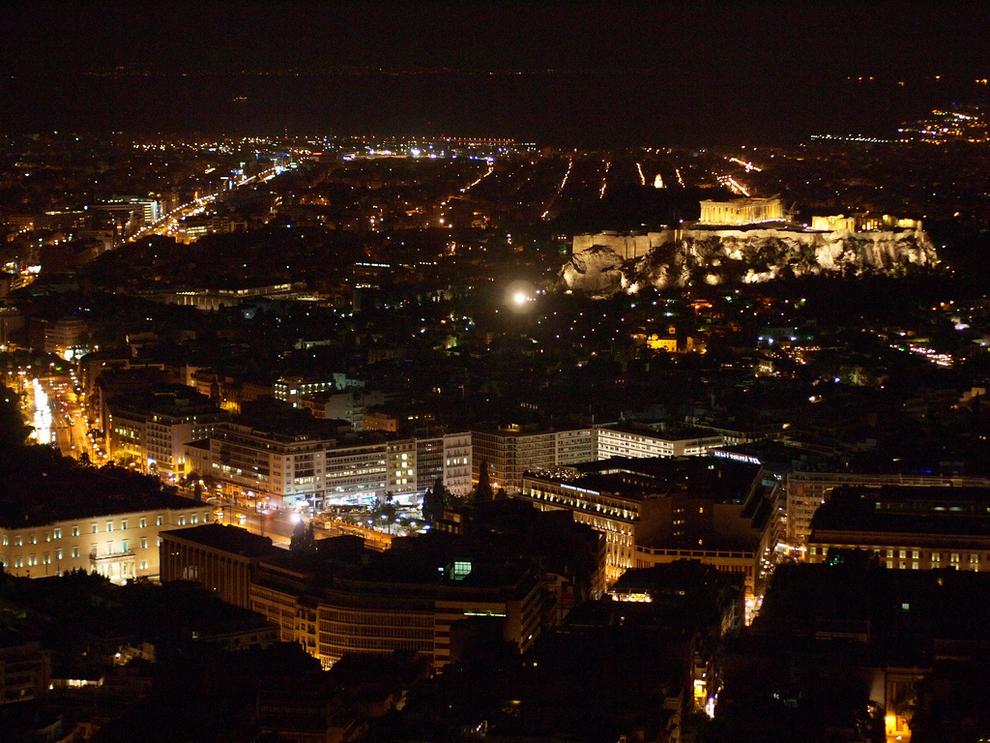
The Acropolis at night
Greece before the perfidious Germans with their diabolical Euro
For most of the 1980s and 1990s, the Greek interest rates were not a meagre few basis points above that of Germany but a whopping 10%. This was to penalise the ouzo swilling Grecian population for the error of their ways in practising poor financial management. In fact, the Greek financial markets were more akin to do that of a third world country. The tenets of banking had been invented in the Renaissance period reputedly by the Jews of Lombardy who operated from their banco – their bench – in the Jewish quarter of the town. Despite the proximity to the birthplace of banking, the culture of “high finance” never traversed across the Ionian Sea!
Even in the late twentieth century the concept of consumer credit was non-existent in Greece. Credit cards were unknown and mortgage loans were unusual. The adoption of the Euro, albeit with strings attached, would propel the Greeks dramatically into the modern era. The only stipulation by the perfidious Germans and their lackeys, the ECB – the European Central Bank – was that they pass a graduation mark for good corporate citizenship of the Euro Zone as regards their Budget Deficit. They also insisted – quite rightly so – that the inflation rate had to be roughly in line with that of Germany itself being the largest component in the basket of economies.
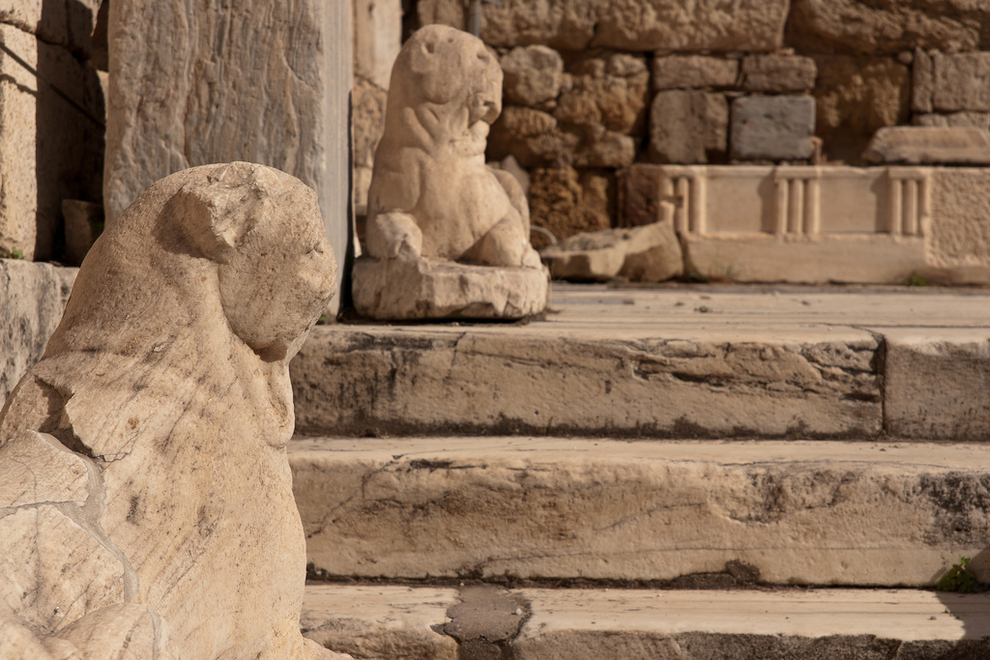
Cat statues on the Acropolis
Initially prior to 2000, the Greek government battled to meet these requirements. To lower the deficit, the Greeks devised a fiendishly clever but simple but elementary mechanism to do so. They simply removed large chunks of government expenditure from the calculation of government expenditure with pension disbursements and defence expenditure being foremost amongst others. Then to reduce the inflation rate they juggled the basket of goods on which it was based together with the relevant proportion of the total.
Elegant yet simple!
The numbers provided by the Greek government to substantiate compliance with the entrance requirements were not exhaustively interrogated. The Greeks were taken on their word. When a review was finally performed covering the previous 15 years, the amount by which the deficit had been understated of was of the order of 50% for which the government had been borrowing to make up the shortfall.

The Skala Potamia village on the island of Thassos
The fiendish Grecian plan succeeds
With honour restored, and Greece now a member of the august body, the Greeks now stood proud and tall as a prudent financially responsible country. No-one would chide them for moral turpitude or venality as they were welcomed into the elite club.
In 2001, Greece entered the hallowed European Monetary Union. This meant ditching the worthless drachma for the shiny new Euros. As an added bonus, the Greeks were miraculously able to borrow not at the iniquitous usury rate of 18% by at the going rate for Germany at the time of 5%.
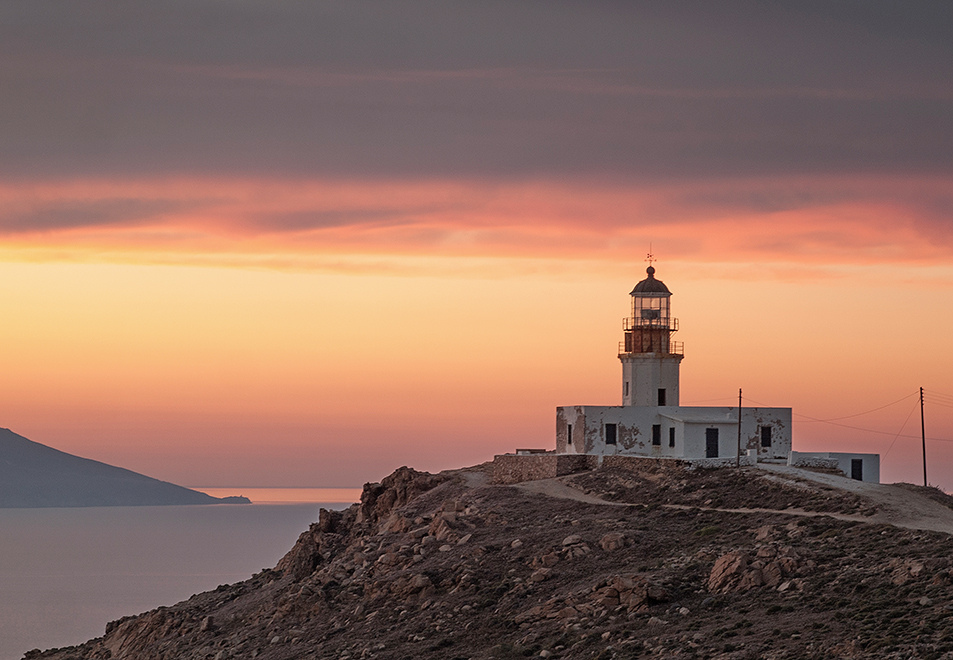
Lighthouse on Mykonos
For this, all that the grateful Greeks had to do was to maintain their deficit spending and inflation rates within the confines as stipulated. The Greeks made light work of that. No austerity measures were required, no tightening of the belts just a notch; the accounting fudge – blatant fraud in fact – was still practiced. With their tenuous grasp of ethics, this unscrupulous action continued unabated.
Thieves attract the own ilk. Goldman Sachs enters left stage. In order to disguise the full extent of the government’s indebtedness, they entered into a number of exorbitant and repellent deals whereby they earned a fee of $300million on every advance of $1 billion. The Greeks were now supping not with the proverbial long spoon but instead they were sharing spoons.
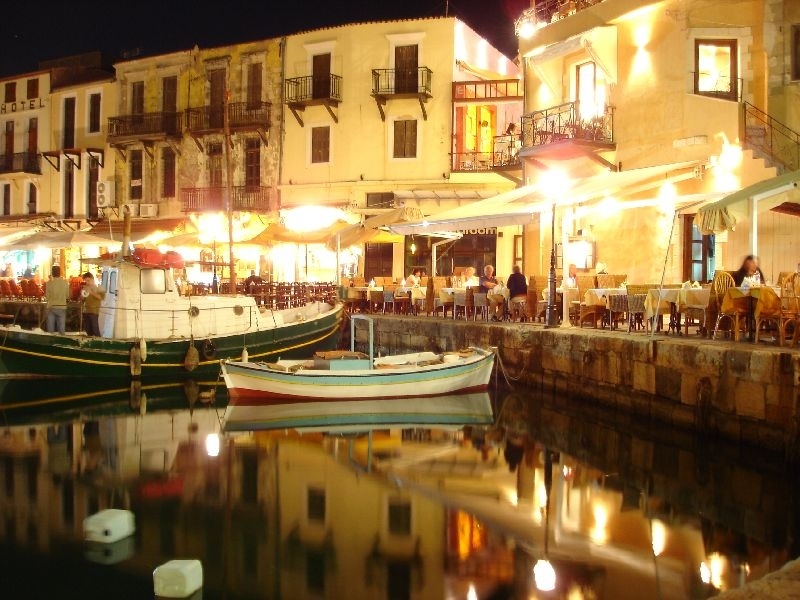
Rethymnos Harbor
The diabolical bankers then shared a well-kept: securitise future receipts. Greece was now able to spend its inheritance before it was ever received. All manner of future revenue was thus spent in advance: airport landing fees, national lottery income, highway tolls and even EU grants.
Like the bubbles produced by children – fluffy and ephemeral – all bubbles burst including asset and credit bubbles. In 2009, the new Greek government was initially compelled to admit that the budget deficit was much greater than the 3% allowed in terms of the EMU treaty as it stood at 5%. Before the furore had abated, the figure had rapidly been revised upward to 7%, then 10% and ultimately to a staggering 14%!!!!!!!!!!!!!
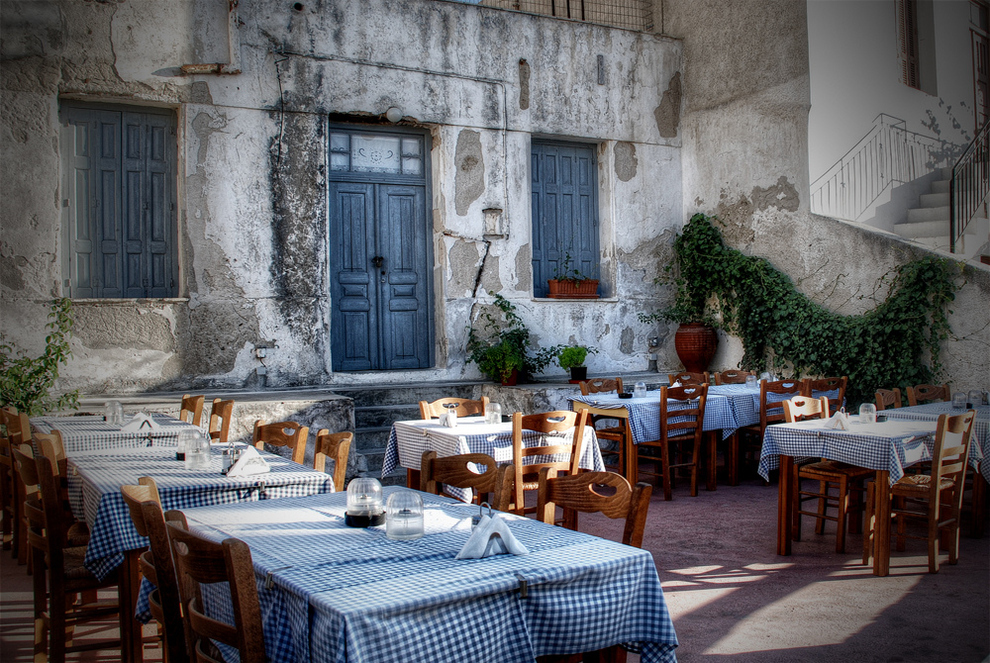
Restaurant in Naxos
The Germans were apoplectic and dismayed; the Greeks were NOT mortified that their ruse had been exposed.
The initial estimate of the debt amounted to $400 billion. Subject to audit and recheck it ballooned rapidly to a staggering $1.2 trillion.
Drunk on copious quantities of cheap money, the Greek citizens were not yet ready to amend their sinful ways. Instead they demonised their opponents and even uttered racial slurs and derogatory epithets about them demanding recompense from the Germans for damage and atrocities during WW2. With the political left on the ascendant, the treacherous West came in for a lashing.

Sunrise over Paros
Delirious on their cheap credit they demanded the next bottle of intoxicating credit.
Crude economic populism at its worst
Listed below are numerous examples of the improper actions and improprieties committed by the alcoholic Greeks on their downward spiral. Many had been set in motion while they were still babes in diapers by their indulgent parents, but the scale of their subsequent venality must rank amongst the most egregious examples of venal reprehensible behaviour.
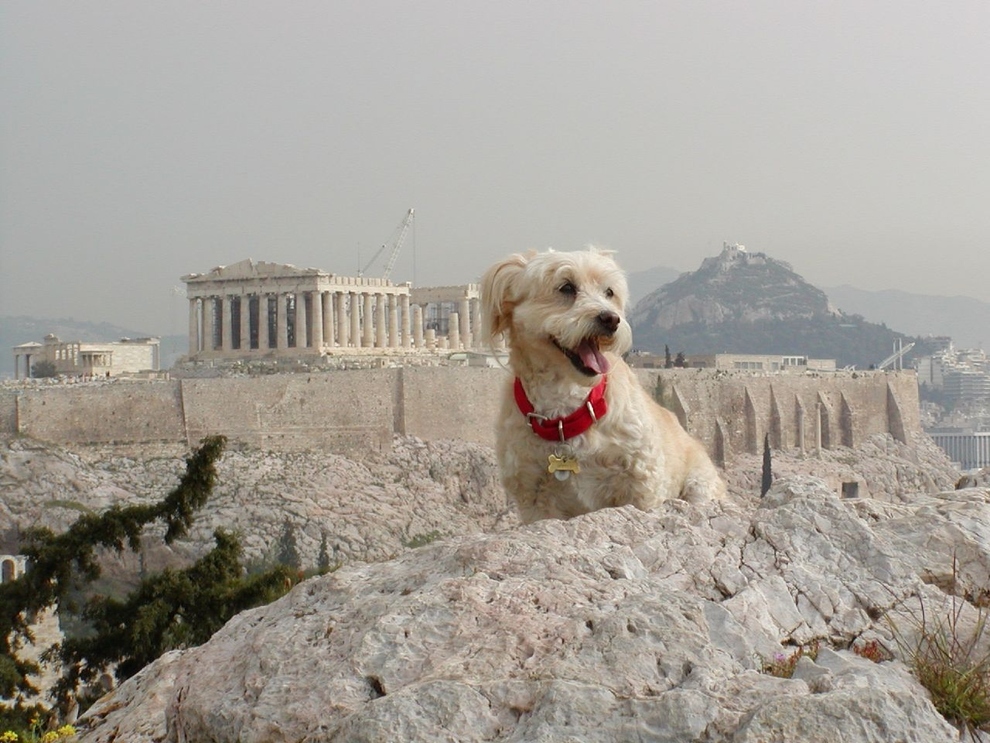
Dog at the Acropolis
During that first decade on the Euro, the wage bill of the Greek public service had doubled in real terms. By 2000, the average public servant earned three times more than the equivalent non-public servant.
Compared with the best education system in Europe – that of Finland – Greece employs four times as many teachers yet the educational outcomes are the worst in Europe. To bolster their children’s educational credentials, most parents with the requisite wherewithal employ private tutors after school hours.
One of the most bankrupt – literally breaking the banco of the insolvent banker in Renaissance times –by a large measure on a percentage basis, was the national Greek railways. With revenues amounting to $100 million, the employment costs amounted to $300 million and other disbursements to $400 million. Their saviour was the fiscus with the Greek banks being forced to fund the government’s shortfall.

Athens Olympic Sports Complex built by Santiago Calatrava
Whereas the Swiss retirement ages for males and females are 65 & 64 years respectively, in Greece they allow retirement on full pay from 55 & 50 years respectively. This applies to so-called “arduous” jobs. This does not take into account the elasticity of the Greek definition of “arduous” which permitted the inclusion of 600 professions under its ambit. These include such hard manual labour occupations as waitressing, radio announcers, hairdressers and musicians amongst them. On the other hand, in the upcoming Swiss referendum in July 2015, one of the proposals is that the Swiss retirement age be lifted to 70 years of age, a full 15 years later than the Greek’s limit! This drastic measure was proposed as the financial cost of the Swiss pension system was deemed to be unsustainable without this increase.
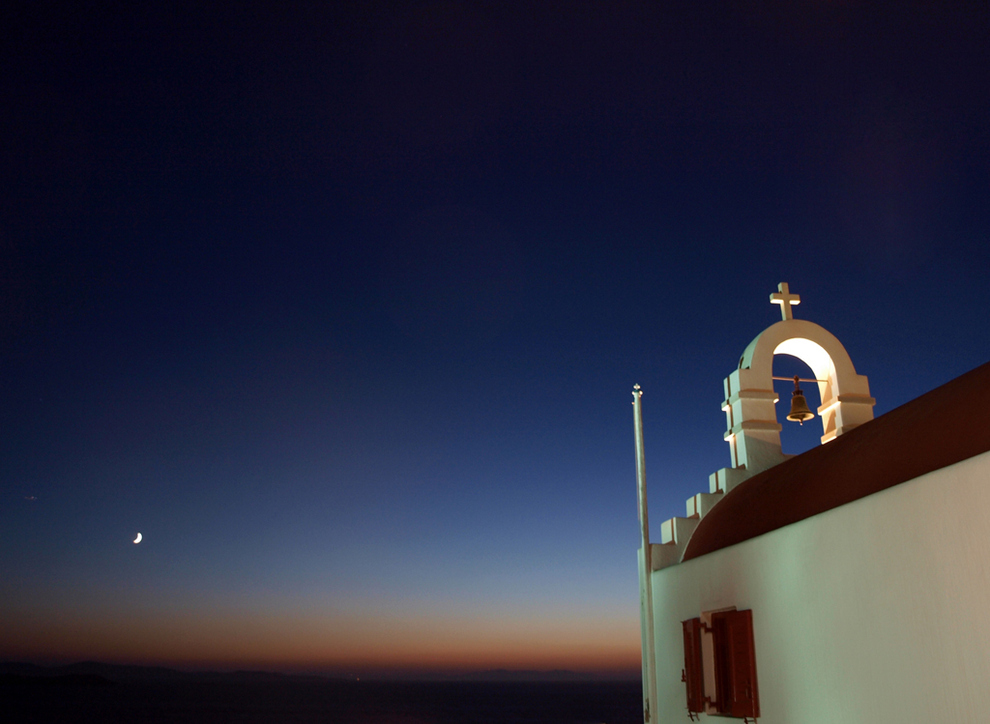
Church sunset
Apart from being the most highly paid employees in Greece by a factor of three, bribery and corruption by public sector employees is endemic. In Greece it is not deemed to be a crime but rather a perk of the job. This is not only prevalent at the lower stratas of the work force, but also prevails at the upper levels at well. For this reason, the expenditure in the public health system is far more than the European levels as the doctors and nurses regularly go “shopping” in the hospital storerooms. Even supposedly ethical doctors fail to perform their function unless they receive a bribe. Theoretically the medical service is free, but a fee is paid in cash to the doctor instead of to the fiscus. These ill-gotten gains finance the lavish lifestyle of these professionals with their clutch of country homes as an unfunded perk.
The rate of tax compliance is minimal especially amongst the professionals. It is estimated that three quarters of all doctors including specialists declare tax as an “indigent” in spite of their lavish lifestyle, fancy houses and a garage full of luxury cars.
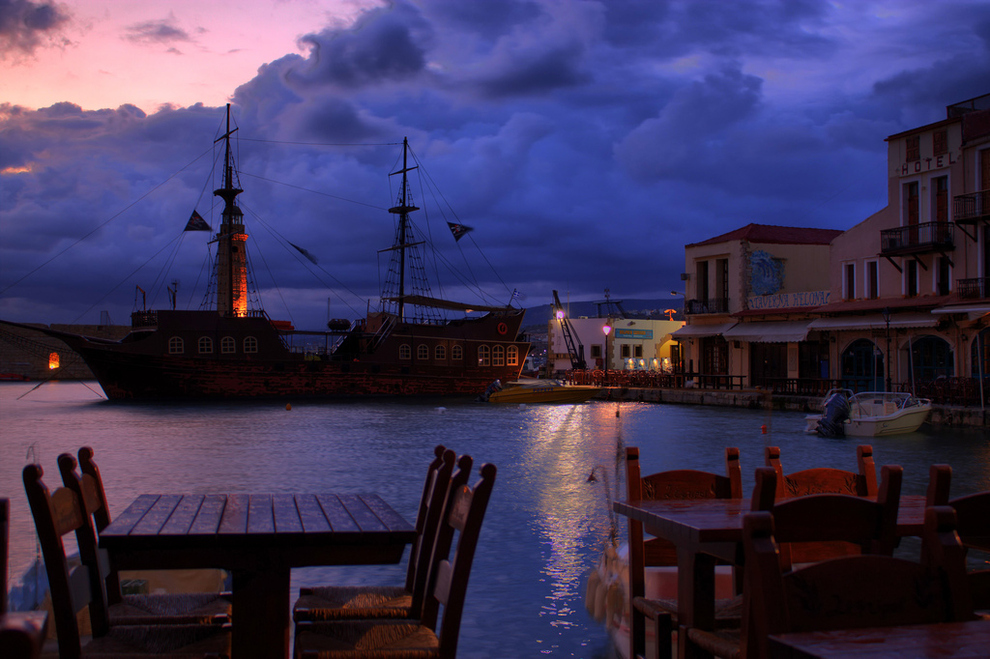
Pirate ship on Crete
It is only the salary earner who is subject to taxation as there is a record of the earnings. Most services even in international hotels in Greece are provided on a cash basis so as to avoid taxation.
Surely the easiest solution would be to prosecute all these transgressors of the laws. Of course they could – theoretically. It is the potential for bribes which makes the tax inspector, the law enforcement officer and the judge some of the most prosperous professions in Greece. Only those employees not willing to accept bribes occupy the non-client facing positions. Even if all of the occupants in the chain up to prosecution exude moral probity, the case will be delayed in the courts for up to decade at which point a derisory fine even for the most egregious offences will be levied.
So what chance do the incorruptible few stand?
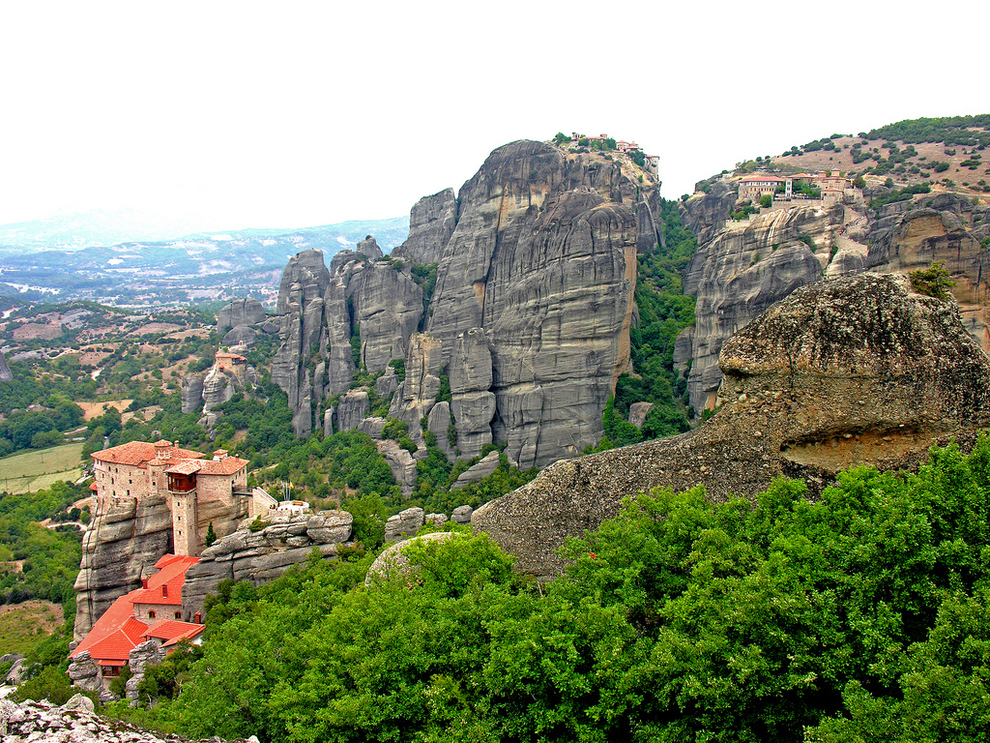
Holy Monastery of Rousanou in Kalambaka
It is considered that all 300 members of the Greek Parliament are complicit in tax evasion on at least count and that relates to capital gains tax on their personal dwelling. This tax is levied on the difference between the selling price and the government decreed property valuation role. In reality, this valuation has never been adjusted and hence bears no relation to the current property valuations. Despite this disparity, all members of Parliament have declared that their homes were purchased at this figure.
Thus they were not liable for tax.
For this very reason, the whole Greek populace is aware that all their legislators are as guilty of tax fraud as the average citizen. As such they feel no compunction not to comply with the various tax laws of the land.
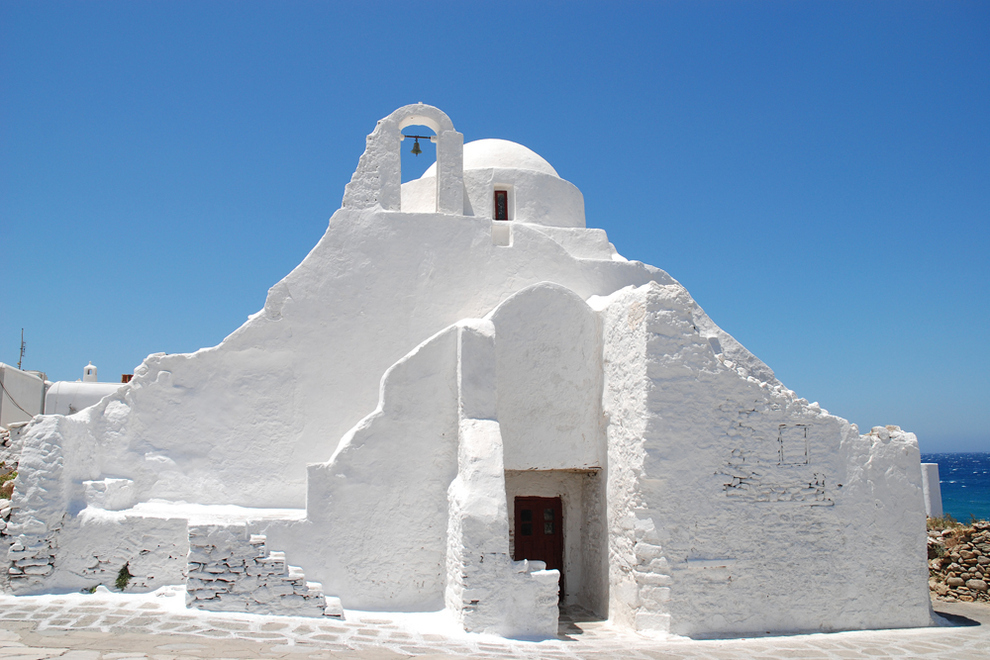
House on Mykonos
My summation
As Servillus Casca opined to Cascius in Shakespeare’s drama entitled Julius Caesar, “It is all Greek to me!”
The Greeks are guilty as charged not only in the court of public opinion but on the basis of fact yet despite being the common criminal that they indubitably are, their cry is not guilty.
They absolve themselves from all blame.
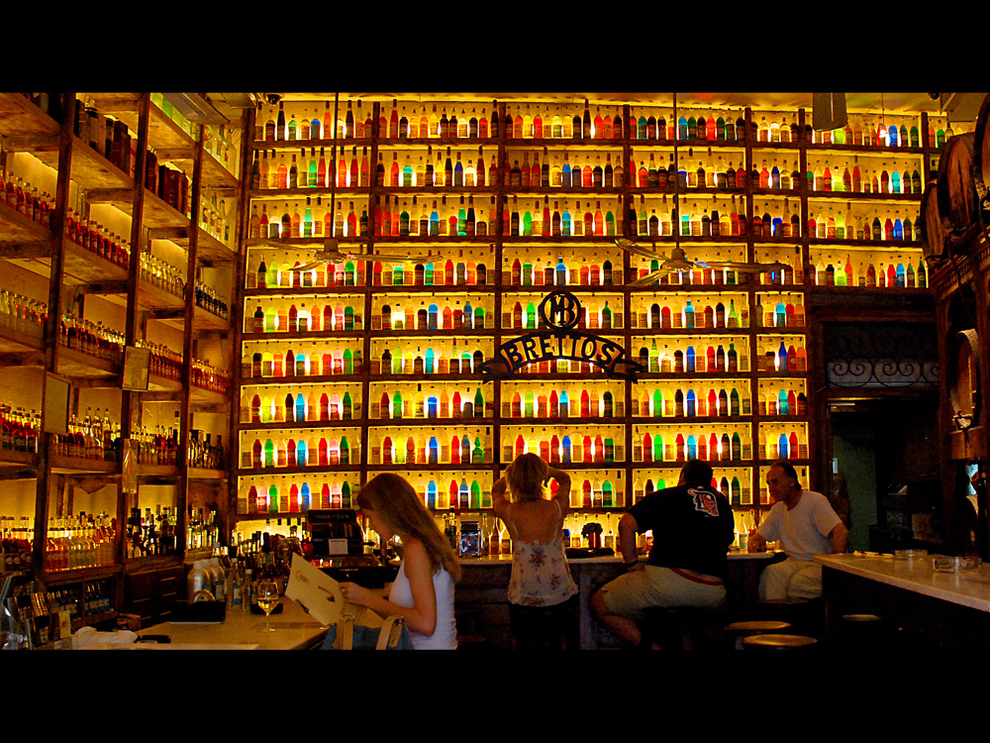
Brettos bar in Athens
In spite of their undoubted guilt, and the sense of betrayal felt by the Germans due to the Greek’s blatant manipulation of their economic data, the Greeks are unable to pay only a fraction of the amount now due.
Harassing them to do so, will culminate in the ultimate catastrophic collapse of the Greek economy. The creditors will be in no worse a position whether they press for repayment or not; hence what is the point of doing so?

Bales of hay
This does not imply that I favour an amiable handshake and all-is-forgiven-attitude.
Far from it.
As a quid pro quo, the reprobate Greeks need to comprehensively reform their society including their morality. This write-off should be contingent upon progress toward these goals. Maybe this is patronising behaviour, but given that a unilateral write-off will not possess the same sobering effect with the recovering credit alcoholic, it requirements should include regular attendance at T&SMA – Tax and Societal Morality Anonymous – meetings.

Snow on the Acropolis
Naturally these T&SMA sessions will in reality be some form of independent audit of the progress in the goal of curbing the overspending by the Greek government.
It is a painful but a necessary concomitant to the severe withdrawal symptoms that the Greek economy is currently experiencing.
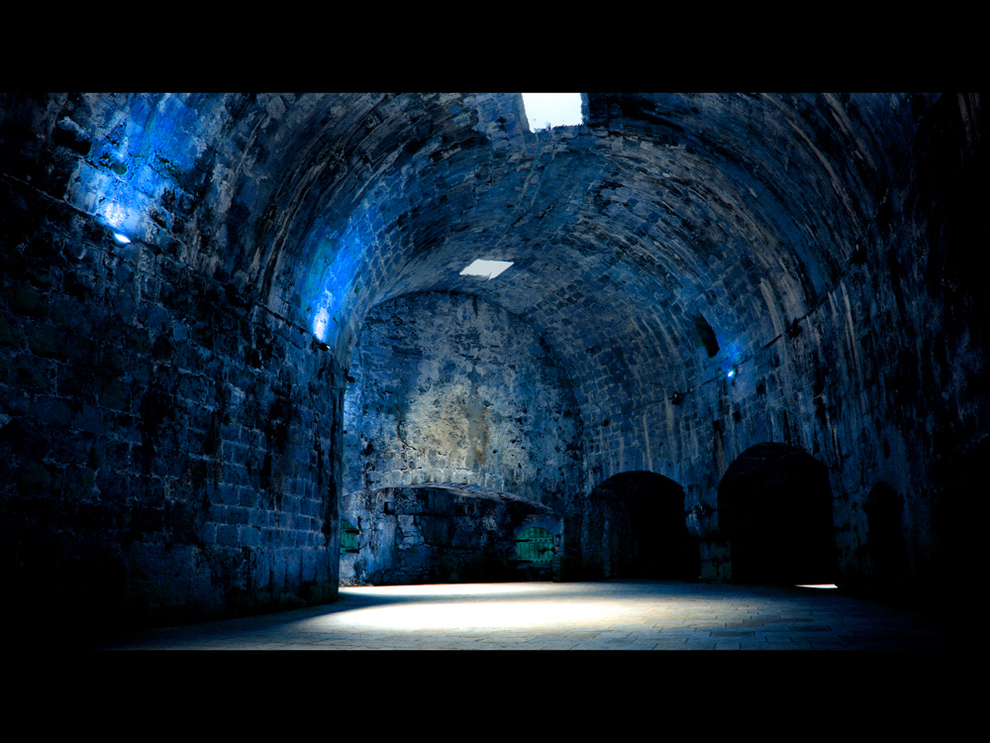
Dungeon in Crete
As an aside, in tests of national morality where wallets are purposely “mislaid”, in the case of Finland, 90% are returned to their owner whereas in Greece the figure is also 90% – except that 90% did NOT return the wallet.