

Apparently these photographs were found as part of a stash in a London basement. This array includes mostly photographs that I personally have never seen before. All however offer a vivid and unique insight into the past.
Main picture: Shooting practice for German soldiers in 1935
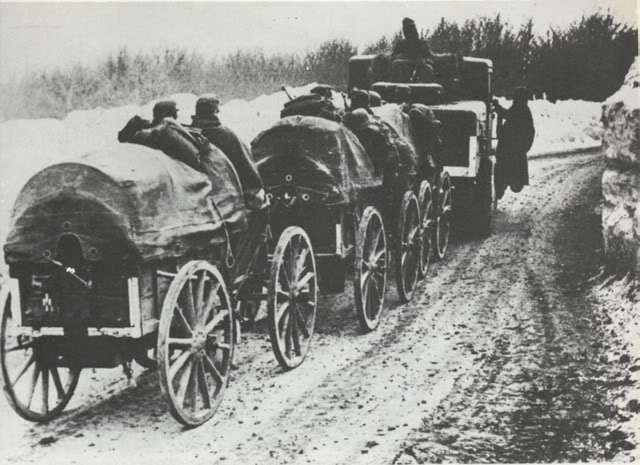
Take for example, the main photograph. It highlights a little known anomaly of WW2. Amongst the major powers during this cataclysmic war, Germany was the only power to use horses until the end of the war on a significant scale.
While the Panzer Divisions might have been in the technological vanguard, the majority of the infantry divisions right until the end of the war remained largely unmotorised. In contrast to the case of the Western Powers – America and Britain – there was an overabundance of trucks to fulfil both the replenishment/supply and the troop transport role, whereas in the case of the Germans they were heavily reliant on horse drawn transport.
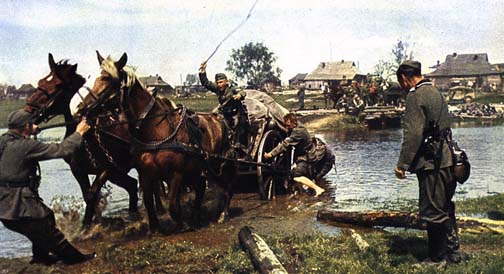
German horse drawn guns in Russia during WW2
Compare both the capacity and speed of artillery ammunition resupply between trucks and horses. Strategically the Germans lost WW2 when they attacked the Soviet Union on 22nd June 1941. For me a lasting impression of this campaign are hordes of German troops trudging across the interminable Steppes leading horse drawn transport carts.
This was to create sweeping implications for the German forces, most notably with the inevitable lag between the elite mechanised and armoured forces and the infantry divisions.
This fact is not widely known as the focus of attention has always on the Panzer Divisions with their behemothic tanks such as the King Tiger.
 .
.
The backbone of the Wehrmacht Heer (Germany’s Army) during WW2 was the infantry division. Of the 154 divisions deployed against Soviet Union in 1941, including reserves, there were 100 infantry, 19 panzer (tank), 11 motorised, 5 Waffen-SS and assorted other divisions.
Hitler’s fateful decision to commence WW2 in September 1939, instead of waiting for the rearmament program to be completed, ultimately culminated in Germany’s demise during WW2. With only partial re-equipment, the Wehrmacht was solely capable for short duration short range wars.
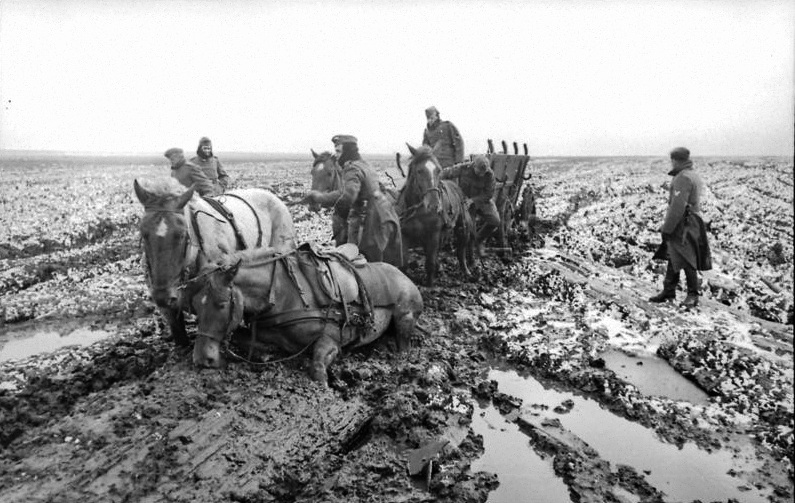
Horses stuck in mud
Ironically this photograph is prescient of Germany’s destiny.
Now for the rest of the photographs
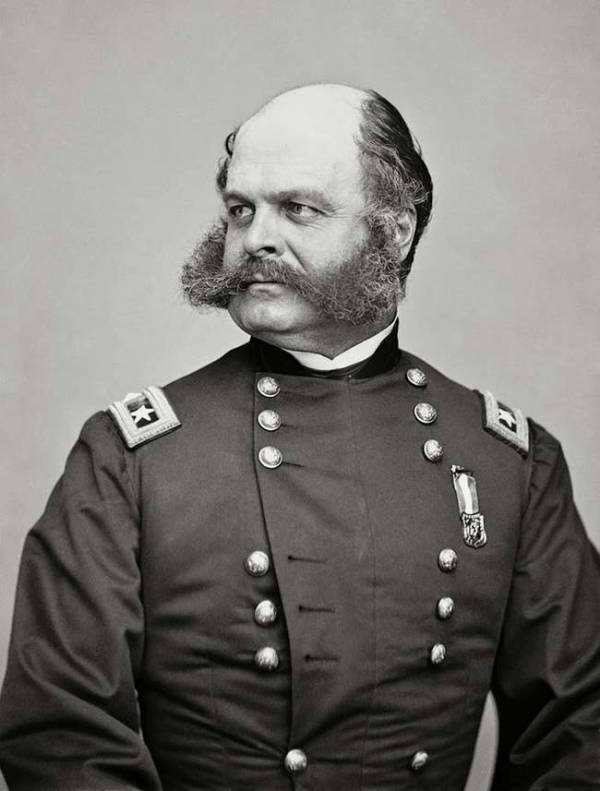
Ambrose Burnsisde – Civil War General who coined the term ‘sideburn’
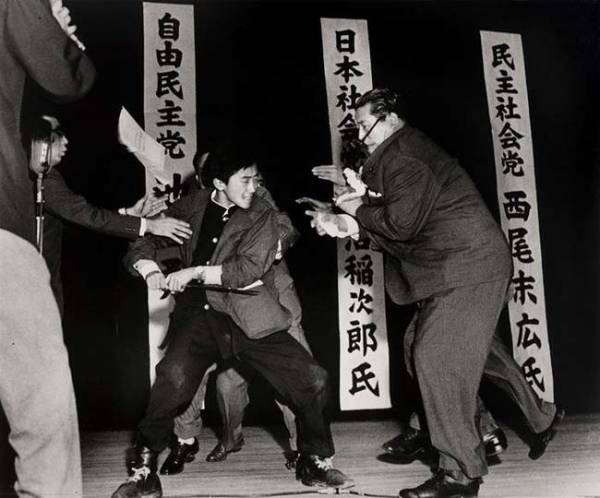
Socialist politician Asanuma as he was assassinated by 17-year old Yamaguchi in Tokyo, 1960
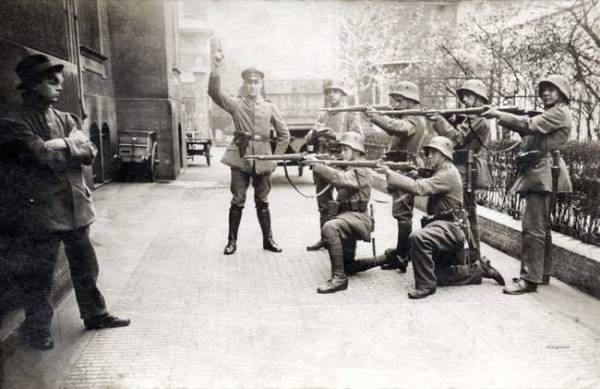
German soldiers of war execute a communist in Munich, 1919 after the creation of the Raterepublik in Bavaria
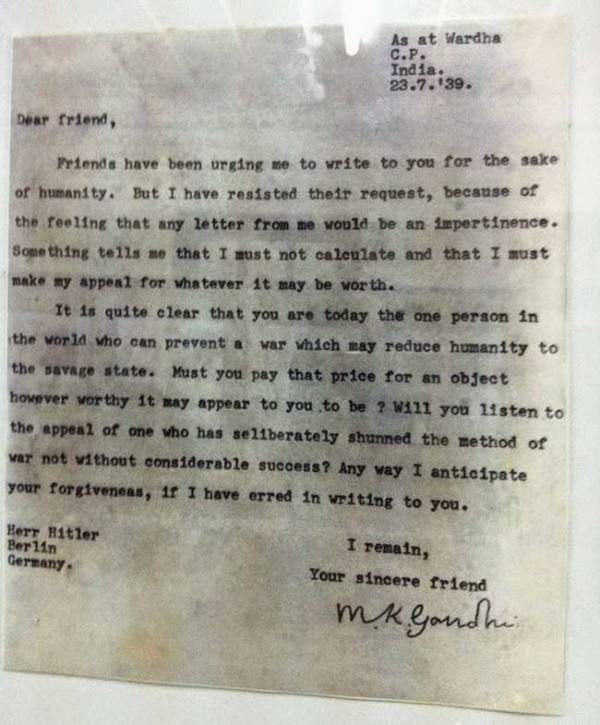
Letter from Gandhi sent to Adolf Hitler in 1939
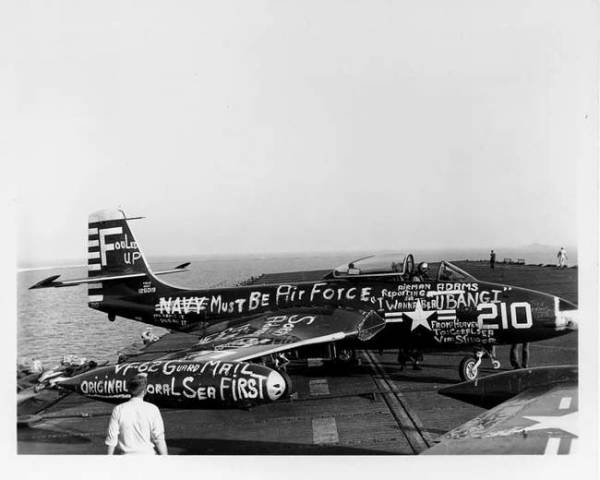
Every time a plane landed on the wrong carrier, it was tradition to graffiti it before sending it back
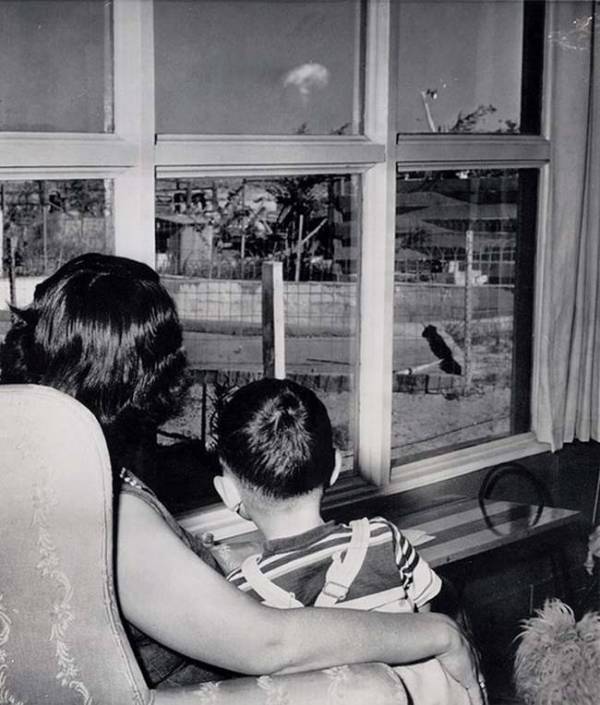
A mother and her child in Las Vegas watching the nuclear testing just 75 kilometres away
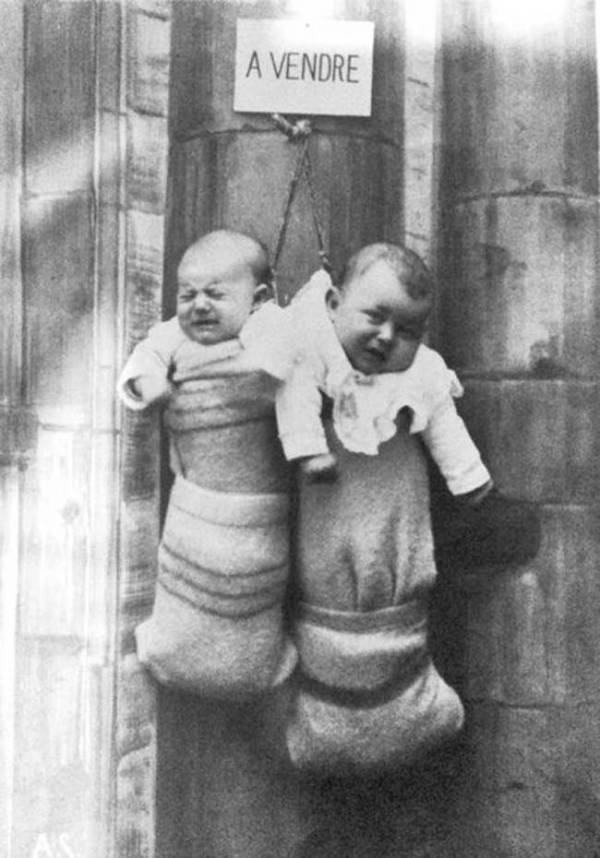
“Get your babies here! Two for the price of one!”
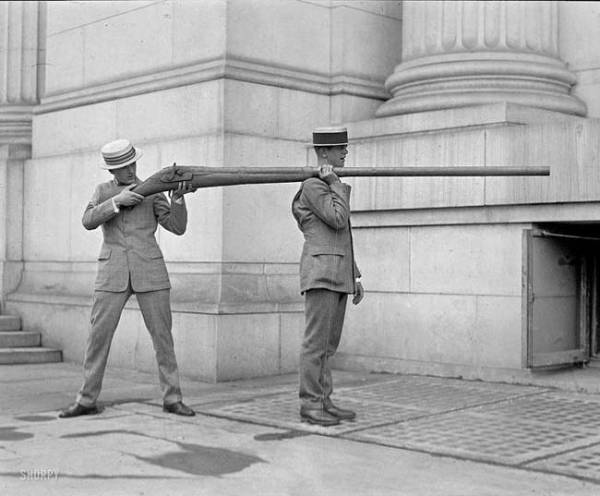
This is a ‘Punt Gun’ – used for duck hunting, it had the potential to kill 50 birds in one fell swoop – it was banned in the late 1860’s
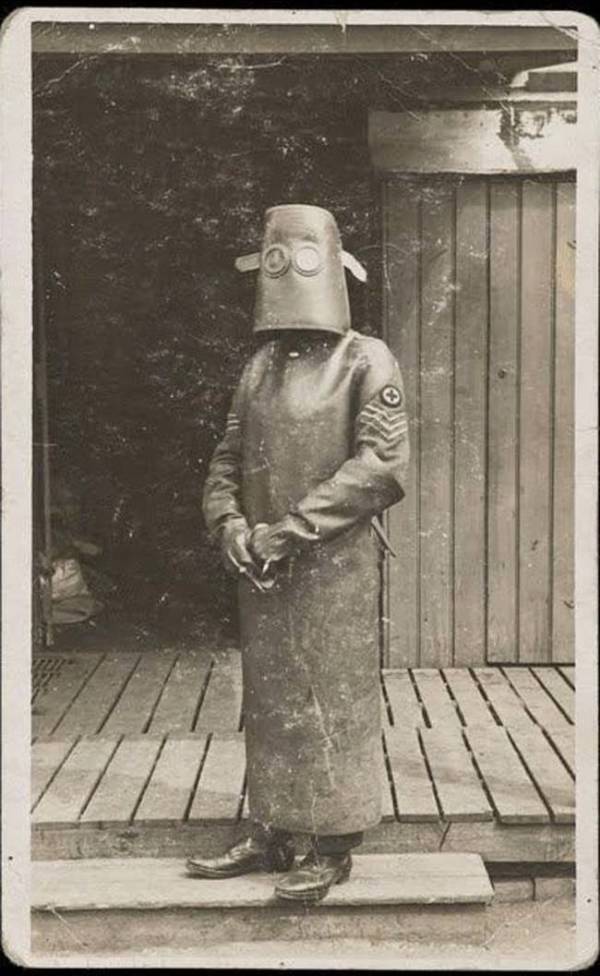
A French radiographer in his protective gear in 1918
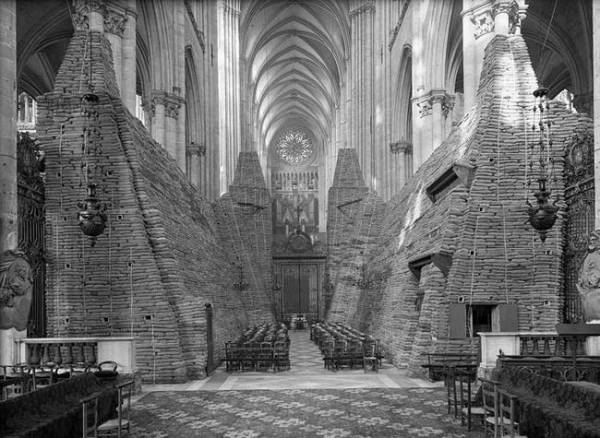
The inside of the Cathedral of Amiens during World War II
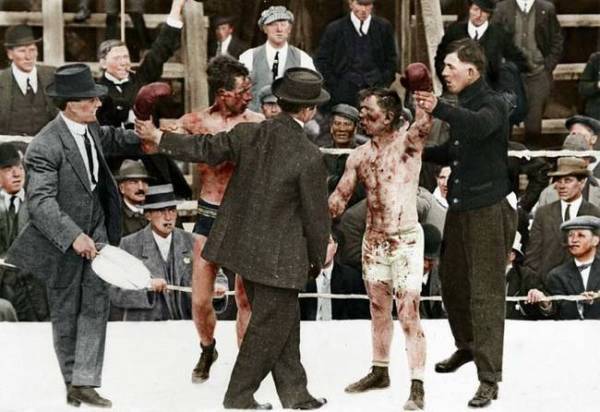
Ray Campbell takes on Dick Hyland in 1913
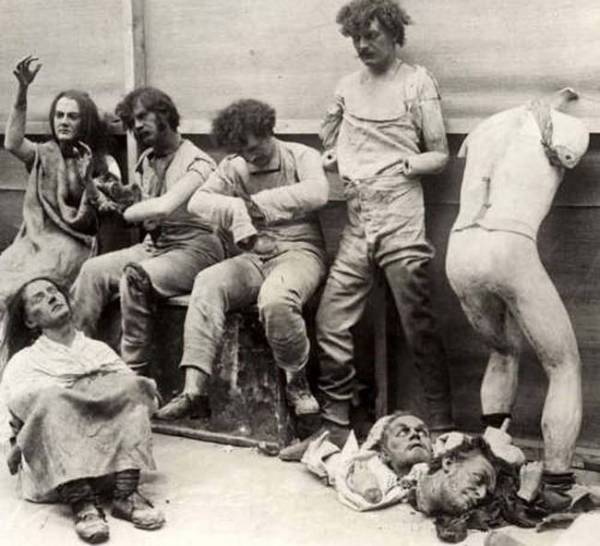
Creepy still life of melted mannequins after a fire at Madam Tussaud’s in London, 1930
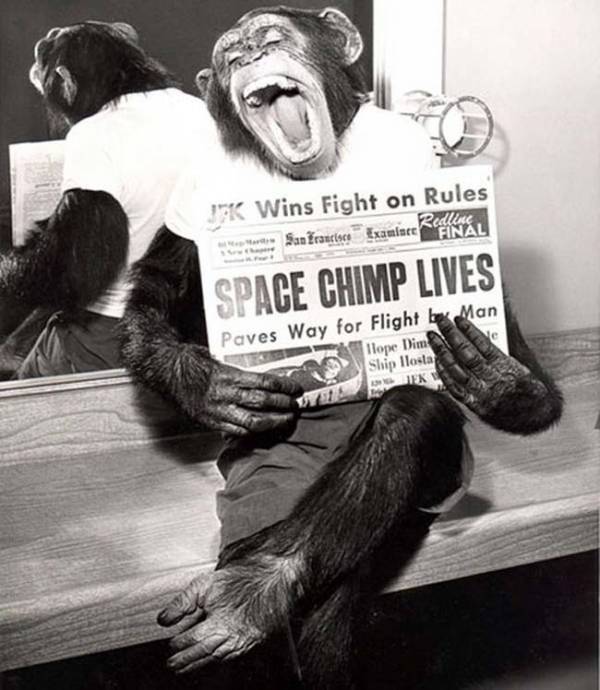
A happy chimp holding a newspaper after surviving his trip to space
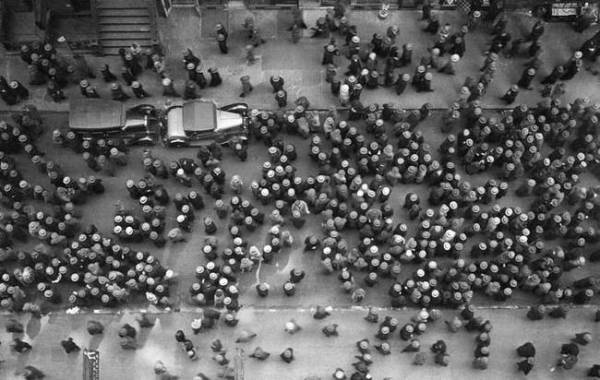
New York in 1939: hats were mandatory
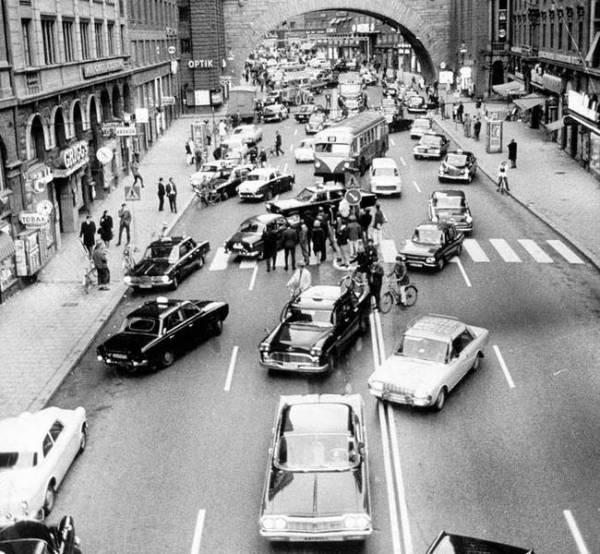
Sweden on the day the traffic pattern changed from driving on the left side to the right side – chaos
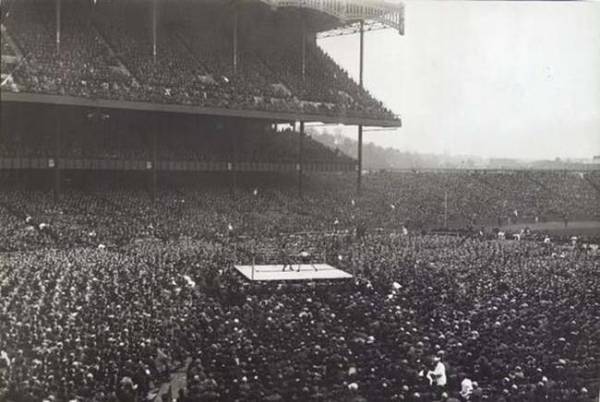
Ridiculous crowds gather at a boxing match at the New York Yankee Stadium in 1923
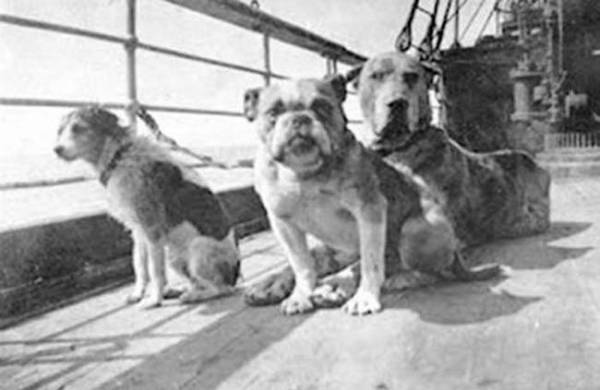
Dogs rescued from the Titanic
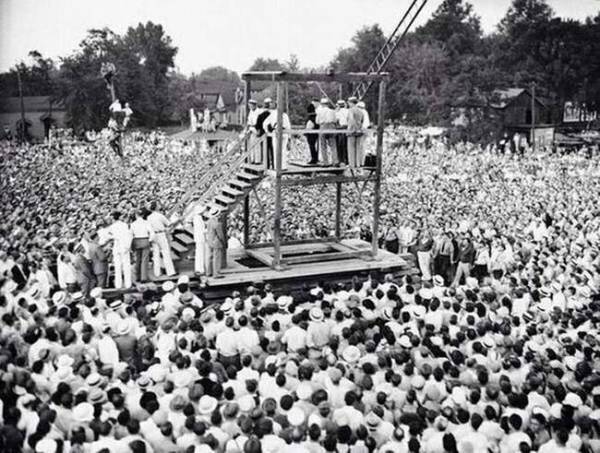
The last ever public execution in the United States, 1936

The great class divide in Great Britain before World War Two
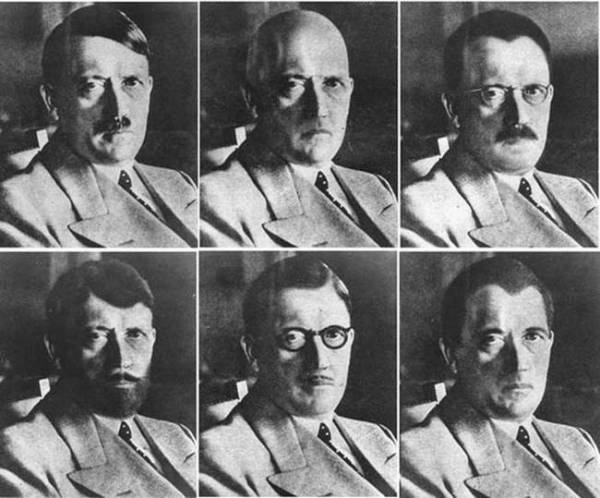
U.S. intelligence produce efits of what Hitler may look like if he was to go into hiding
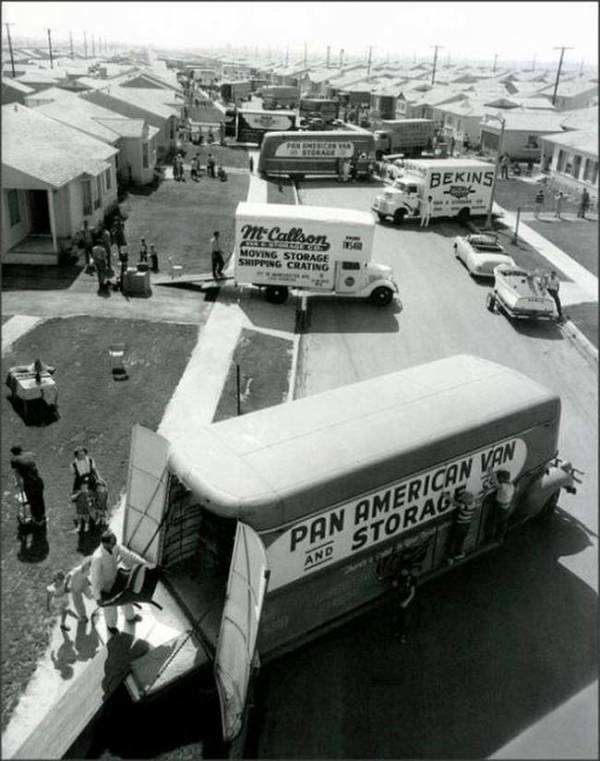
Moving day for the folks in the suburbs, 1950s